

Global take on books and publishing news
Provided by AGP
BUSH’S GAVIN ROSSDALE REVEALS THE LITERATURE THAT SHAPED HIM, FROM BUKOWSKI TO AUSTER
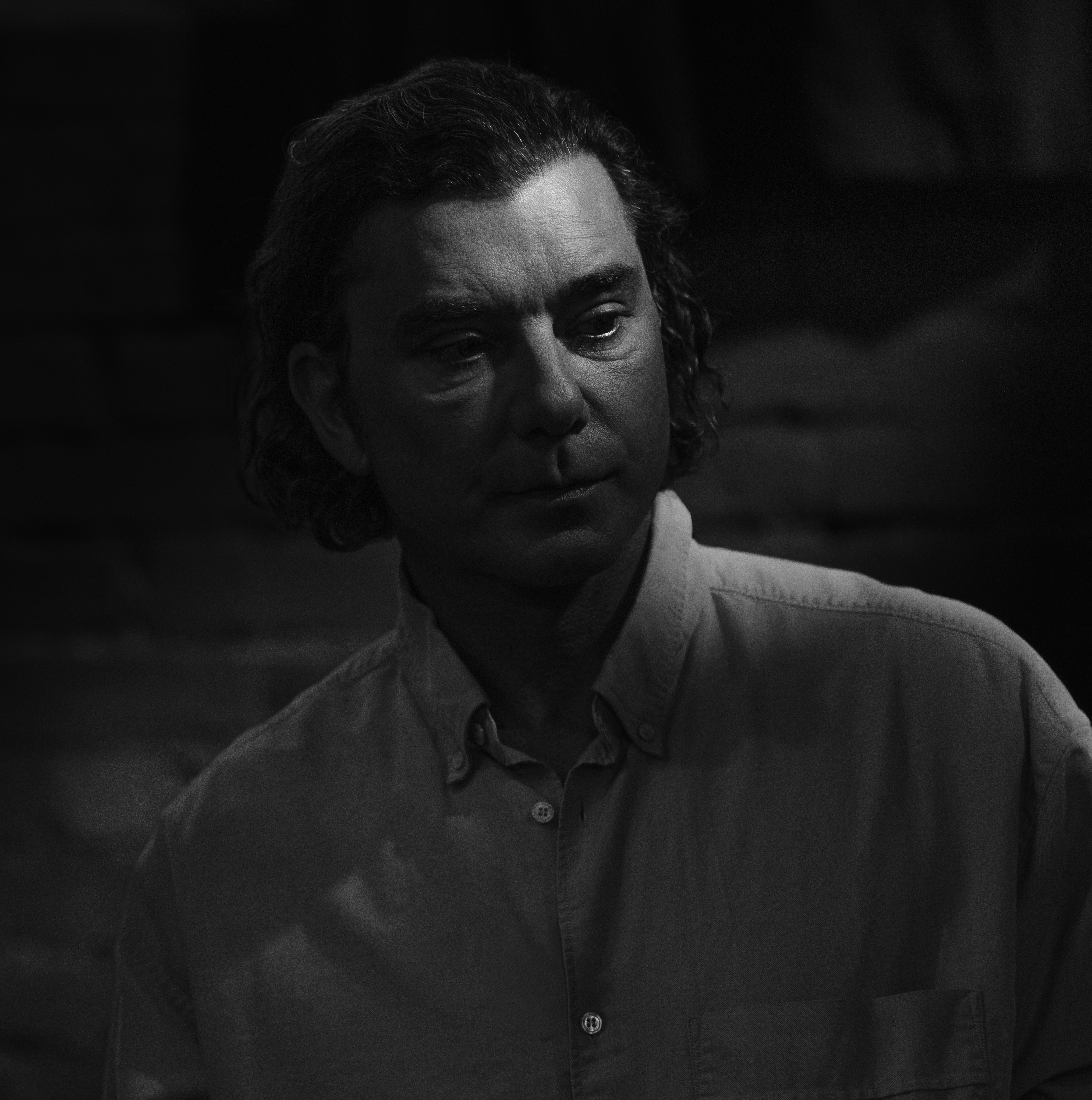
Gavin Rossdale, photographed on the set of Books That Changed My Life.
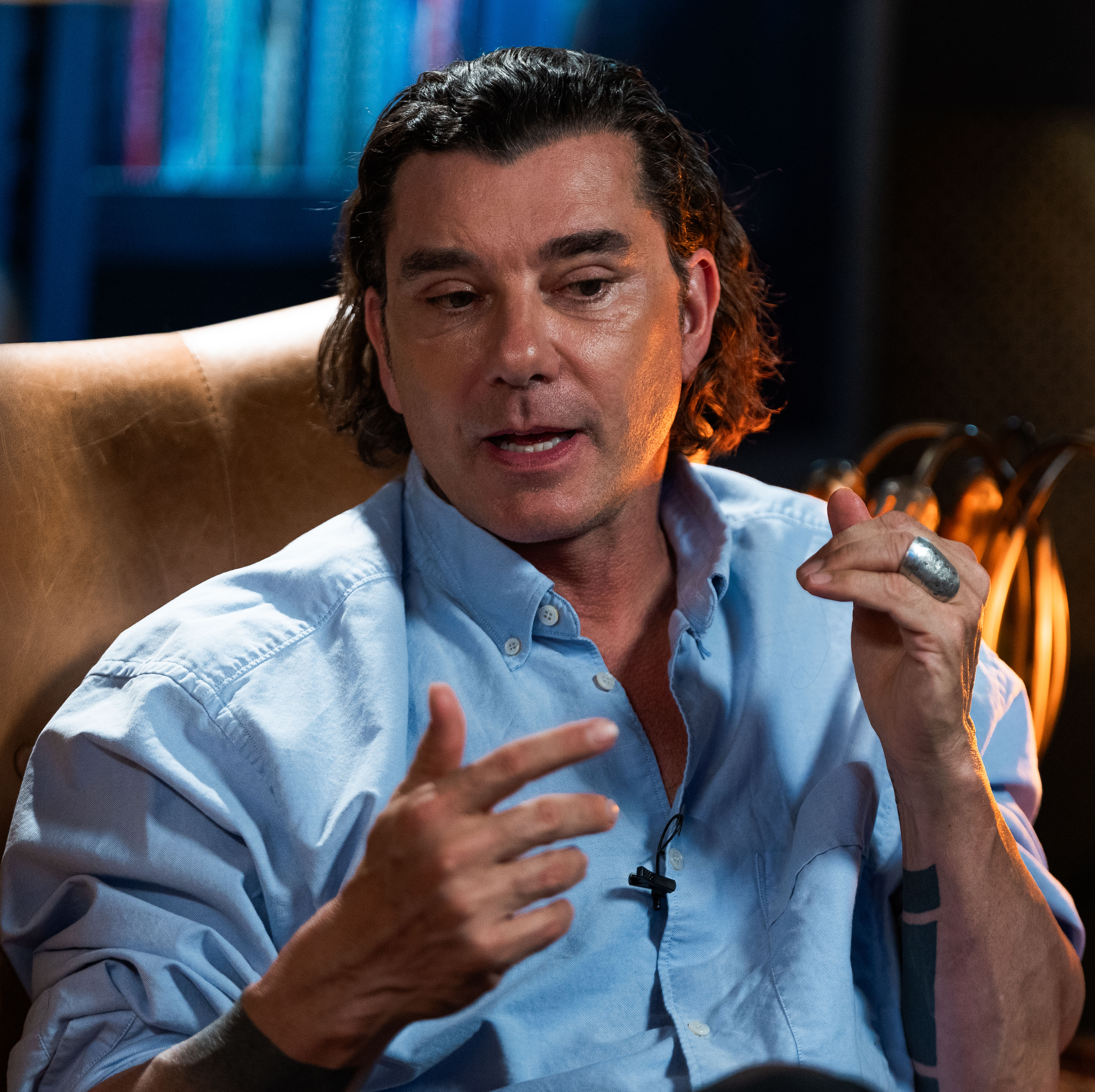
Gavin Rossdale discusses Paul Auster's Moon Palace
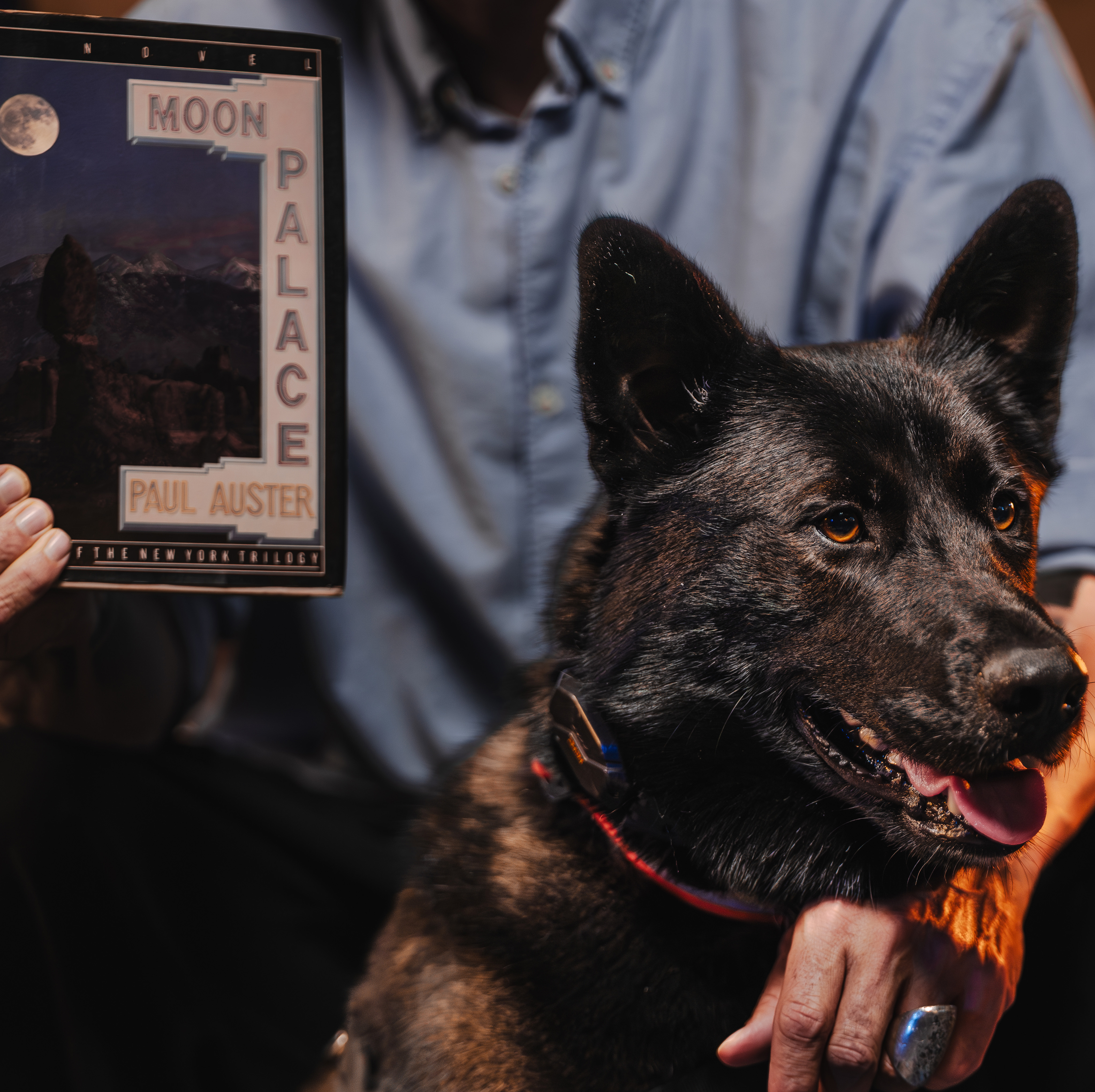
Rossdale's dog, Kaya, pictured alongside Paul Auster's Moon Palace.
Books That Changed My Life
The Bush frontman details his artistic inspirations in a new, heartfelt interview.
LOS ANGELES, CA, UNITED STATES, May 8, 2026 /EINPresswire.com/ -- Before Bush sold tens of millions of records, Gavin Rossdale was broke, living alone in an empty Manhattan brownstone, suspended in musical purgatory between failed bands. It was precisely then that he discovered a novel he carries with him to this day: Paul Auster’s Moon Palace.In conversation with host Chris Collins on the YouTube series Books That Changed My Life, Gavin Rossdale traces the influence of Auster’s work, along with that of Camus, Bukowski, Lucian Freud, Francis Bacon, and more.
RIGHT BOOK, RIGHT TIME
At 24, Rossdale haunted a deserted Manhattan brownstone, struggling to get a career in music off the ground. He recounts a series of failed bands, fiscal anxiety, and the fear brought on by a vanishing youth. Moon Palace met Rossdale at this moment, offering him a spiritual companion in the book’s protagonist, Marco Stanley Fogg.
"It was such a pivotal, important time in my life just before I had any degree of success when I was still majorly struggling… reading that story just gave me something to identify with, something to hold on to."
Rossdale details the parallels between himself and Fogg, two young men struggling with abandonment, purpose, and the artist’s life. He highlights Auster’s prose as an enduring inspiration:
"He's the most nutritious writer I've ever experienced."
THE BIRTH OF BUSH
As he bounced between musical acts in the years before Bush, Rossdale recalls refusing salaried work:
"Every way I made money was painting and decorating or working on building sites — just manual labor, so that nobody needed me. I didn't want to be anywhere I could be of any use to anyone, in case they might tempt me away with a salary."
This dedication to his musical craft only began to pay off when he stopped pursuing commercial success:
"It's only when I let go of trying to be commercial and trying to be successful that I began Bush. That's when I really truly found myself."
Rossdale’s musical journey parallels that of Thomas Effing, a painter in Moon Palace who retreats to a cave, painting only for himself. This deep artistic interiority and authenticity form the crux of Rossdale’s approach:
"I thought the most interesting thing I could do was say goodbye to everyone else and take a deep dive into myself and bring out some pearls of perspective. When you dive so far away into yourself, you find you actually come across universal truths."
These truths were inscribed in “Comedown,” Bush’s breakout hit.
GAVIN ROSSDALE'S ARTISTIC LINEAGE
Throughout the conversation, Rossdale makes reference to the art and artists who’ve shaped his worldview and practice.
Beyond Auster, Rossdale’s favorite author, he cites Charles Bukowski as a writer he admires but could never imitate:
"I never could appropriate him in the way that I felt like a kinship with Ginsberg... because the way that Bukowski wrote, I just felt I wasn't old enough and I hadn't drunk enough and lost enough women.”
Still, when he needs inspiration, Bukowski remains a touchstone:
“Whenever I go to write, I will read a couple chapters of Women just to get that cadence."
Rossdale credits painters Francis Bacon and Lucian Freud as models for an artist’s work ethic:
“No matter what they did and the life they led, every morning — 6 a.m. to 12 — they paint. Six days a week. That vocation… I base my life off of that. I'm annoying to my girlfriend — I want to, if I'm not on the road, I just want to be in the studio a lot."
Rossdale recalls a studio visit with Glaswegian painter Ken Currie, whom he calls a “modern Velázquez”:
"Nothing is better than spending two hours in a studio talking creativity with someone who I think is just a most extraordinary painter."
Though he gives ample recognition to his artistic heroes, Rossdale acknowledges the limits of inspiration:
“When you're young, of course you approximate other people. Loads of people. I wanted to be so many people for so long. From Johnny Lydon, the Sex Pistols were huge for me — Bob Marley, Mark E. Smith. I just wanted to have bits of their character, to be as interesting as them. And I just gave up. I realized that I was no good at that. I was just much better at being myself."
WATCH THE FULL CONVERSATION HERE.
Press Contact: Ryan Oshinsky
Syndicate X
ryan@chriscollinsinc.com
Visit us on social media:
Instagram
Facebook
YouTube
TikTok
X
Gavin Rossdale on "Moon Palace"
Legal Disclaimer:
EIN Presswire provides this news content "as is" without warranty of any kind. We do not accept any responsibility or liability for the accuracy, content, images, videos, licenses, completeness, legality, or reliability of the information contained in this article. If you have any complaints or copyright issues related to this article, kindly contact the author above.
